

0 грн.
CheckoutYou are what eats what you eat
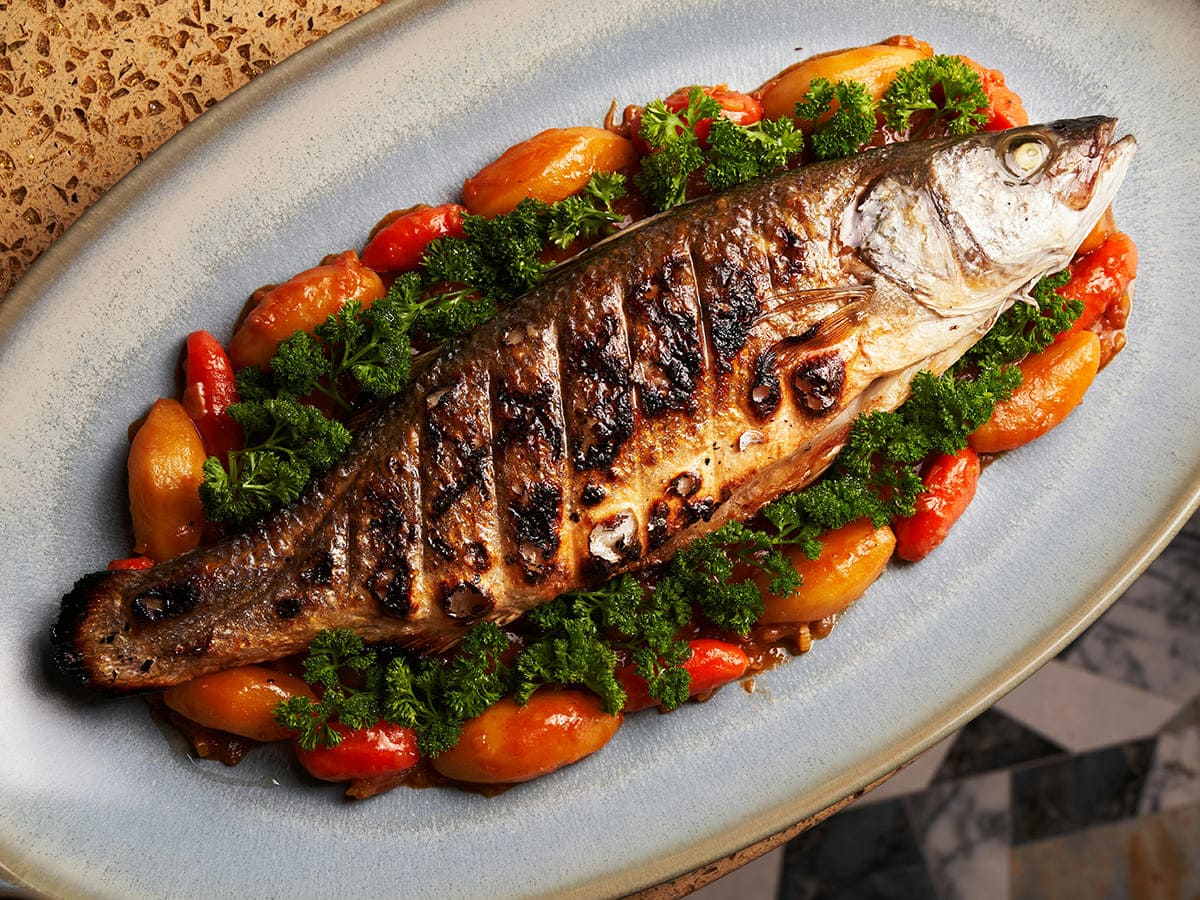
In today's world, the connection between what we eat and how it affects our health has never been clearer. When it comes to seafood, this connection is even more profound. It's not just “we are what we eat” but “we are what eats what we eat”. The diet of farm-raised fish and shrimp directly affects their nutritional value, making aquafeed quality a crucial factor in ensuring that the seafood we consume is nutritious, healthy and produced responsibly.
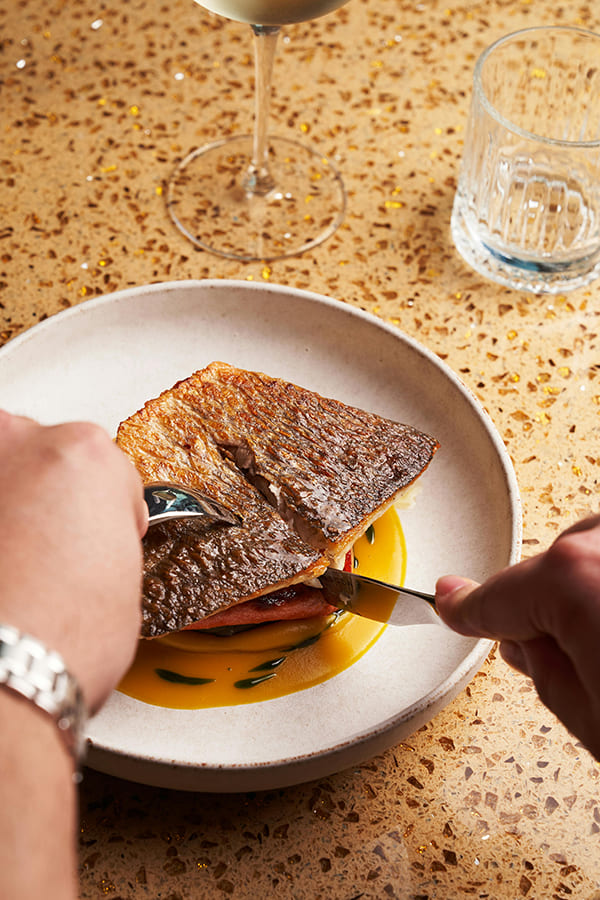 Fish and shrimp contain essential nutrients that contribute to a balanced diet. Rich in proteins, amino acids, marine omega-3 fatty acids (EPA and DHA), as well as important minerals and vitamins, seafood offers a number of health benefits. Omega-3s, for example, are vital for heart health, brain function, and cognitive development. Key vitamins and minerals, such as vitamin D, iodine and selenium, further support overall well-being, making seafood an ideal addition to a healthy lifestyle.
However, the nutritional value of seafood is directly related to what they consume. Just as humans need a balanced diet to thrive, so do fish and shrimp. In aquaculture, the feed used plays a key role in determining the quality of the seafood on our plates. By making sure that the feed contains the right balance of nutrients to meet the specific needs of different aquatic species, they can provide the essential nutrients that make seafood such a valuable part of our diet. Just like us, fish and shrimp don't need ingredients, but they do need nutrients such as protein, vitamins and minerals.
The challenge today is to maintain the highest nutritional value while producing feed responsibly. Historically, aquafeed has relied heavily on marine ingredients derived from wild fish, which has raised concerns about overfishing and its impact on marine ecosystems. However, the industry is shifting to alternative ingredient sources such as animal proteins and new options such as insect foods, as well as fatty acid-enriched crops and algal oils. These alternatives help to reduce the environmental impact of fish farming while still providing high nutritional value to fish and shrimp.
Feed quality affects not only the welfare of the fish, but also the food we eat. Poor quality feed can lead to malnutrition in fish and shrimp, which affects their health, growth and ultimately the nutritional value they provide. Fish and shrimp that are not properly nourished can also suffer from poorer flavor, texture and appearance, which affects the final product on our plates.
Looking ahead, we can say that the future of aquafeed lies in innovation. The industry is exploring new ways to replace traditional ingredients with sustainable and safe alternatives that maintain nutritional value with minimal environmental impact. Whether through microalgae, insect food, single-cell proteins, or plant and animal ingredients, the goal remains the same: to provide fish and shrimp with a balanced, nutritious diet that will ultimately benefit human health.
Ultimately, better feed means better food for us.
01/08/2022 00:00:00
Comments:0
Views:281
Comments