

0 грн.
CheckoutHow to successfully start a trout farm
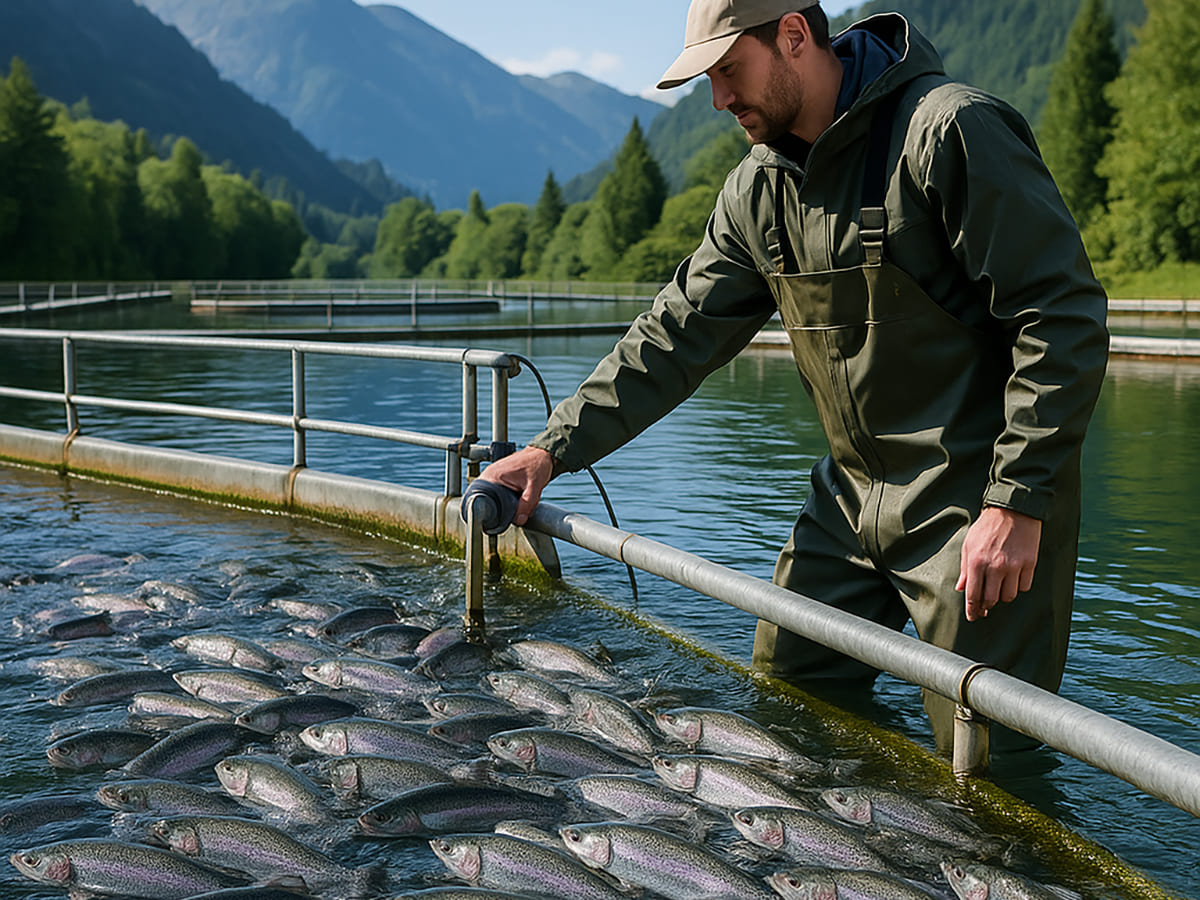
Trout farming is one of the most promising areas in Ukrainian aquaculture. High market value of products, growing demand for delicacy fish, and the possibility of obtaining stable income make the trout business attractive to investors. However, successful launch requires deep understanding of the biological characteristics of fish, technological processes, and market specifics.
Market Analysis and Prospects of Trout Farming in Ukraine
Market Situation
Trout farming in Ukraine demonstrates stable growth in recent years. Domestic trout consumption increases by 15-20% annually, which is related to population income growth and healthy eating popularization. Average retail price of trout is 280-350 UAH/kg, which ensures high production profitability with proper organization.
Competitive Advantages
Ukrainian producers have significant advantages over importers due to product freshness, ability to control quality at all production stages, and absence of transportation costs. Proximity to European markets opens export prospects.
Choosing Optimal Location
Climate Requirements
How to grow trout in Ukrainian conditions is determined primarily by climatic factors. Trout requires cold clean water with temperature 8-16°C for optimal growth. Carpathian region, northern regions of Ukraine, and zones with natural cold water sources are most suitable for trout farming.
Water Supply Sources
Water quality is a critical success factor. Optimal sources are considered:
- Artesian wells with constant temperature 8-12°C
- Mountain streams and springs with high oxygen content
- Rivers with fast current and rocky bottom
- Water bodies with possibility of natural or artificial aeration
Water Quality Requirements:
- Temperature: 8-16°C (optimum 12-14°C)
- Oxygen: at least 8 mg/l
- pH: 6.5-8.0
- Ammonia: less than 0.02 mg/l
- Nitrites: less than 0.1 mg/l
- Hardness: 5-15°dH
Trout Growing Systems
Cage Farming
The most common method of trout breeding in natural water bodies. Cages are installed in lakes, reservoirs, or rivers with suitable conditions.
Advantages:
- Relatively low capital costs
- Use of natural water resources
- Simple maintenance
Disadvantages:
- Dependence on natural conditions
- Limited control of water parameters
- Environmental risks
Pond Farming
Traditional method using specially built ponds or adapted natural water bodies.
Pond Construction Features:
- Depth: 1.5-3 meters
- Flow rate: 2-3 complete water changes per day
- Bottom: gravel or concrete
- Aeration system for maintaining oxygen regime
Recirculating Aquaculture Systems (RAS)
Modern high-tech method of how to grow trout with full control of all environmental parameters.
RAS Components:
- Fish farming tanks of various sizes
- Mechanical filtration (drum filters, settling tanks)
- Biological treatment (biofilters with media)
- Cooling and thermoregulation systems
- Oxygenation and aeration
- UV sterilization
- Automated control systems
Growing Technology Process
Obtaining Stocking Material
Quality eggs and fry are the foundation of successful trout farming in Ukraine. You can use your own broodstock or purchase stocking material from verified suppliers.
Reproduction Stages:
- Broodstock maintenance (age 3-4 years)
- Artificial fertilization (October-December)
- Egg incubation (90-120 days at 8-10°C)
- Larvae and fry rearing
Market Fish Growing Technology
| Stage | Fish Weight | Stocking Density | Feeding Frequency | Duration |
|---|---|---|---|---|
| Fry | 0-50g | 10-15 thousand pcs/m³ | 8-12 times per day | 4-6 months |
| Fingerling | 50-200g | 3-5 thousand pcs/m³ | 4-6 times per day | 6-8 months |
| Market fish | 200-500g | 50-80 kg/m³ | 2-3 times per day | 4-6 months |
Feeding and Nutrition
Feed Requirements
Trout requires high-protein feeds (40-50% protein) with optimal amino acid composition. Feed quality directly affects growth rate, survival, and commercial qualities of fish.
Main Feed Indicators:
- Protein: 40-50%
- Fat: 12-18%
- Carbohydrates: no more than 12%
- Fiber: 2-4%
- Ash: 8-12%
Feed Conversion Ratios
With proper feeding, feed conversion ratio is:
- Fry: 0.8-1.0
- Fingerlings: 1.2-1.4
- Market fish: 1.4-1.6
Equipment and Infrastructure
Main Equipment
For modern trout farming in Ukraine, you will need:
Fish farming equipment:
- Tanks or cages of various sizes
- Water supply and drainage systems
- Aerators and oxygenators
- Filtration systems
- Feed dispensers (manual or automatic)
Auxiliary equipment:
- Water cooling systems
- Oxygen generators
- Pumps of various capacities
- Compressor equipment
- Water quality control systems
Economic Aspects
Investment Costs
Start-up investments depend on chosen technology and production scale:
| Farm Scale | Cage Farming | Pond Farming | RAS |
|---|---|---|---|
| Small (10-20 tons/year) | 500-800 thousand UAH | 800-1200 thousand UAH | 1500-2500 thousand UAH |
| Medium (50-100 tons/year) | 1500-2500 thousand UAH | 2500-4000 thousand UAH | 5000-8000 thousand UAH |
Operating Expenses
Main expense items in trout farming:
- Feed: 40-50% of total expenses
- Stocking material: 15-20%
- Energy resources: 10-15%
- Wages: 10-15%
- Other expenses: 10-15%
Profitability
With proper organization, trout farm profitability is:
- Cage farming: 25-35%
- Pond farming: 30-40%
- RAS: 35-50%
Investment payback period: 3-5 years depending on technology and scale.
Risk Management
Biological Risks
- Fish diseases (prevention, veterinary service)
- Parasitic invasions (quarantine measures)
- Genetic degeneration (broodstock renewal)
Technological Risks
- Equipment failure (backup, maintenance)
- Water supply disruption (alternative sources)
- Power outages (generators, UPS)
Market Risks
- Price fluctuations (sales channel diversification)
- Demand seasonality (processing, freezing)
- Competition (product differentiation)
Marketing and Sales
Sales Channels
- Retail chains and supermarkets
- Restaurants and cafes
- Fish stores
- Direct sales to consumers
- Processing (smoking, salting)
Product Positioning
- Environmentally clean products
- Local production
- Freshness and quality
- Processing possibilities
Regulatory Requirements
Licensing and Permits
For trout farming in Ukraine, it is necessary to obtain:
- Fish breeding license
- Special water use permit
- Environmental impact assessment conclusion
- Sanitary-epidemiological conclusion
Veterinary Requirements
- Farm registration with veterinary service
- Veterinary-sanitary measures
- Product quality control
- Accounting documentation maintenance
Practical Recommendations for Beginners
Project Launch Stages
- Business Planning (2-3 months)
- Market and competitor analysis
- Technology and scale selection
- Financial planning
- Site Selection and Preparation (6-12 months)
- Suitable site search
- Permit obtaining
- Design and construction
- Equipment Purchase and Installation (3-6 months)
- Supplier selection
- System installation and setup
- Equipment testing
- Production Launch (12-18 months)
- Stocking material acquisition
- Technological process refinement
- Reaching design capacity
Key Success Factors:
- Quality water and stable water supply
- Professional team of specialists
- Modern equipment and technologies
- Effective sales system
- Continuous quality control
Conclusion
Successful trout farming in Ukrainian conditions requires a comprehensive approach combining modern technologies, professional knowledge, and effective management. With proper organization, trout farming in Ukraine can become a highly profitable and promising business.
The key to success is careful planning of all project stages, from technology selection to product sales organization. Investments in quality equipment, professional staff training, and creating an effective quality control system pay off with stable income and long-term development prospects.
Growing demand for quality delicacy fish, state-level aquaculture development support, and integration possibilities with European markets create favorable conditions for trout farming development in Ukraine. Properly organized trout farming can not only provide stable income but also make a significant contribution to domestic aquaculture development.
12/06/2025 20:28:12
Comments:0
Views:6706
Comments